


Struggling With Neuropathy Symptoms?
If you’re dealing with burning, tingling, numbness, or discomfort in your feet or hands, Alpine Spinal Rehab may be able to help you understand what’s going on and what options are available.
Request An AppointmentNeuropathy Symptoms Can Affect More Than Sensation
Neuropathy often begins as an odd feeling that is easy to ignore. Some people describe burning in the feet at night. Others notice tingling, numbness, cold sensations, hypersensitivity, weakness, or a feeling like they are walking on padding, rocks, or uneven ground. Over time, those symptoms can start affecting balance, sleep, energy, exercise tolerance, and confidence with everyday movement.
Alpine Spinal Rehab provides neuropathy treatment in Provo, UT with a focus on understanding the pattern of symptoms, identifying likely contributors, and helping patients improve function and daily comfort. Many patients also visit from Orem when they want a Provo clinic that takes a practical, movement focused approach to nerve related symptoms.
What Neuropathy Can Feel Like
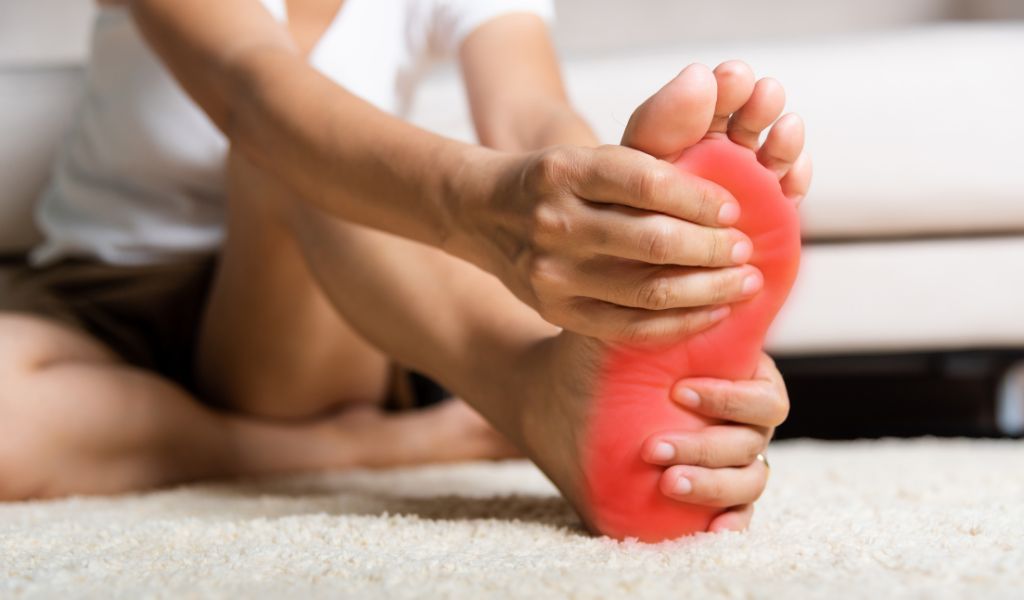
Neuropathy does not always present the same way. Some patients feel pins and needles in the toes or fingers. Others deal with burning pain, electrical sensations, reduced feeling, muscle weakness, cramping, or trouble sensing where the feet are during walking. Symptoms may stay mild for a while, then gradually become more noticeable with standing, nighttime rest, exercise, or long periods on the feet.
Because nerves affect sensation, movement, and coordination, neuropathy can make ordinary tasks feel less predictable. Walking through a parking lot, climbing stairs, standing in the shower, driving, or even sleeping can feel more difficult when symptoms start interfering with normal body awareness.
Common Causes And Contributing Factors
Neuropathy can develop for different reasons, which is why a careful evaluation matters. In some people, symptoms are linked to metabolic or systemic causes. In others, nerve irritation may be tied more closely to pressure along the spine, restricted movement, posture strain, disc issues, old injuries, or circulation related stress in the tissues.
Common contributors may include diabetes, nerve compression, spinal problems, long standing inflammation, poor circulation, repetitive stress, previous injuries, medication side effects, nutritional issues, or a history of chronic low back or neck problems. In some cases, more than one factor is involved at the same time.
How Neuropathy Changes Daily Movement
When nerve signals are not working properly, the body often starts compensating without the person realizing it. A patient may take shorter steps, shift weight more carefully, or avoid certain surfaces because balance no longer feels automatic. Over time, that can increase stress in the low back, hips, knees, and other areas as the body works harder to stay stable.
Neuropathy can also lead people to move less because activity becomes uncomfortable or uncertain. That drop in movement often creates more stiffness, less strength, and less confidence, which can make the whole problem feel bigger over time.
How Chiropractic Treatment Can Help Neuropathy
Chiropractic treatment for neuropathy focuses on improving movement, reducing irritation, and supporting healthier function in the areas that may be affecting the nerves. When spinal joints move better and the body is carrying less mechanical stress, some patients notice less irritation and better tolerance for standing, walking, and daily activity. Care may also help reduce compensation patterns that develop when the body is trying to protect unstable or uncomfortable areas.
At Alpine Spinal Rehab, neuropathy treatment may include neuropathy care, chiropractic adjustments when appropriate, spinal physical therapy, massage therapy, postural corrective treatment, and other supportive options based on the findings. The goal is not only to calm symptoms, but also to help the body move more efficiently and feel more stable in day to day life.
Benefits Of Neuropathy Treatment
Neuropathy treatment supports more than short term symptom relief. Better movement, better support, and less irritation can help patients feel safer, steadier, and more comfortable throughout the day.
- Reduced Burning And Tingling: Treatment may help calm irritation patterns that contribute to burning, pins and needles, or unusual sensitivity.
- Improved Daily Comfort: Less nerve related discomfort can make standing, walking, and getting through the day feel more manageable.
- Better Balance And Stability: Improving movement and body awareness can help patients feel more confident on their feet.
- Improved Sleep Quality: When symptoms calm down, many patients find it easier to rest and recover at night.
- Better Tolerance For Activity: Improved function can make it easier to stay active and avoid the cycle of less movement and more weakness.
What To Expect During The Process
Neuropathy treatment at Alpine Spinal Rehab follows a clear process that starts with evaluation and builds toward practical next steps. Because neuropathy can have different causes, the first goal is understanding what pattern best matches the symptoms.
- Consultation And Symptom Review: Symptom location, timing, intensity, and daily limitations are reviewed in detail.
- Neurological And Movement Assessment: Sensation, reflexes, strength, posture, balance, and walking patterns are evaluated.
- Spinal And Joint Evaluation: The neck, back, and surrounding joints are assessed for movement restrictions or nerve related stress patterns.
- Treatment Plan And Recommendations: Findings are explained clearly and next steps are outlined based on what the exam shows.
- Progress Monitoring: Changes in comfort, walking tolerance, balance, and daily function are tracked over time so the plan can be adjusted as needed.
Why Nerve Function Matters For Overall Mobility
Nerves play a major role in sensation, balance, coordination, and movement control. When nerve function is affected, daily life often becomes more cautious and less active. Patients may avoid walking as much, cut back on exercise, or lose confidence with stairs, uneven surfaces, or standing for longer periods. That can lead to more weakness and more strain in other areas of the body.
Supporting healthier movement and better body awareness can make a meaningful difference in how the whole body feels. For many patients, neuropathy treatment is not only about reducing symptoms. It is about helping daily life feel safer, steadier, and less limiting.
Treatments That May Help
Neuropathy symptoms often improve best when nerve irritation, spinal mechanics, and movement support are addressed together. These treatments are commonly used as part of a neuropathy treatment plan in Provo, UT.
- Neuropathy Care: Helps support nerve related symptoms with a conservative, function focused approach.
- Chiropractic Adjustments: Helps improve motion and reduce mechanical stress in areas affecting nerve function when appropriate.
- Spinal Physical Therapy: Supports mobility, strength, and movement patterns that improve daily stability.
- Massage Therapy: Helps reduce tension in surrounding muscles that may add to discomfort and compensation patterns.
- Postural Corrective Treatment: May help when alignment and long standing movement stress are contributing to symptoms.
Why Alpine Spinal Rehab In Provo, UT
Choosing the right clinic for neuropathy treatment in Provo, UT matters. Alpine Spinal Rehab has served Utah Valley since 1981 and is known for thorough evaluation, clear explanations, and practical treatment planning focused on function. Many patients from Provo and Orem choose the clinic because they want a plan that addresses both symptom relief and the movement problems that can make nerve issues feel worse over time.
The focus stays straightforward. Reduce discomfort, improve mobility, support better balance, and help daily life feel more manageable with fewer setbacks.
Getting Started
Your first visit begins with a conversation about what the symptoms feel like, where they show up, and what daily activities have become harder. An evaluation helps identify whether the main drivers are nerve irritation, spinal stress, posture strain, weakness, circulation related issues, or a combination of factors. After the findings are reviewed, next steps are explained clearly with realistic expectations for improvement. Cash and insurance options are available, and coverage can be reviewed before beginning treatment.